
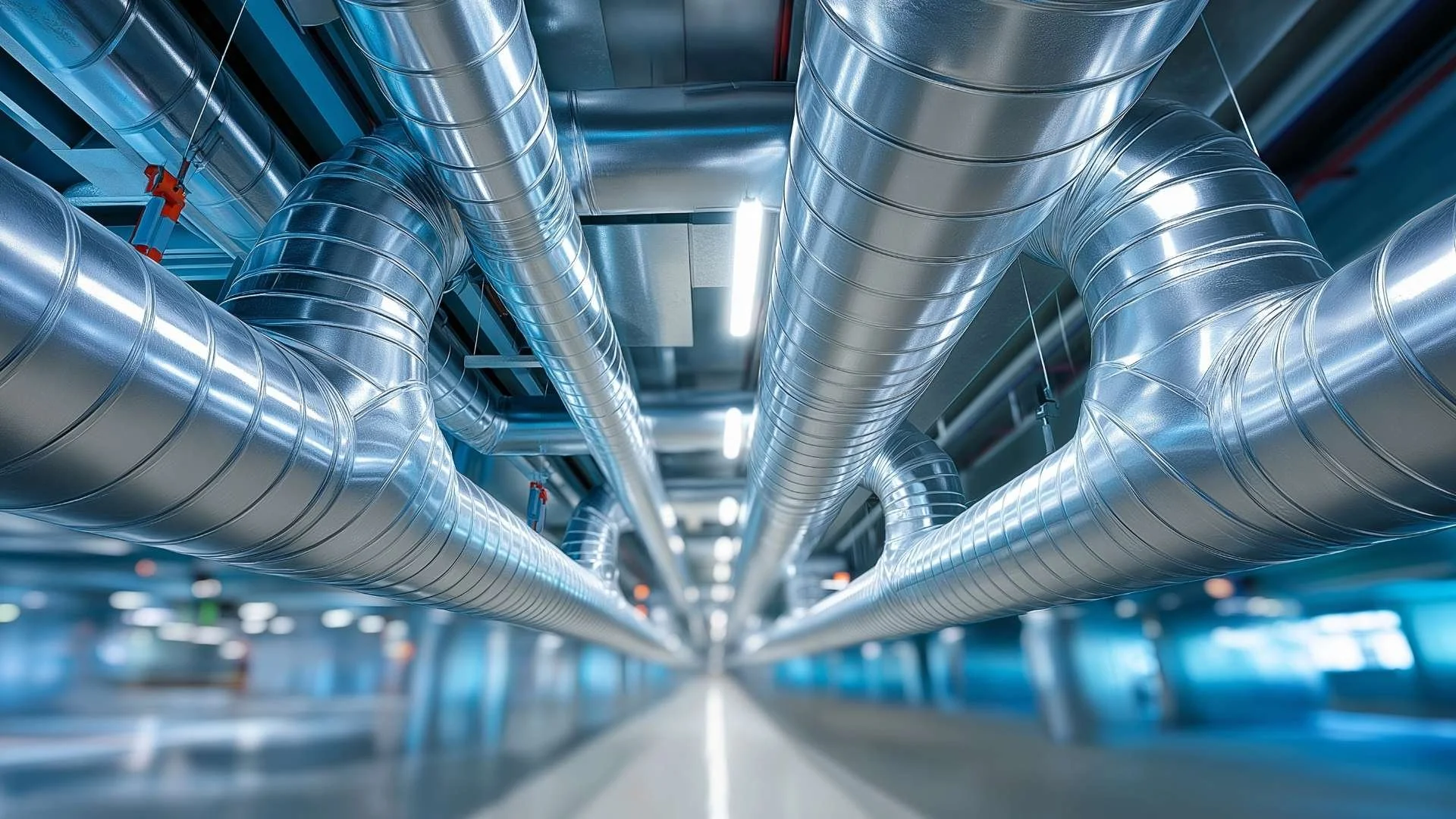
Long piping systems play a critical role in maintaining consistent mechanical performance across a facility, but that performance becomes harder to protect when insulation is compromised.
As heated or cooled materials move through extended pipe runs, temperature loss can begin to build over distance. Without proper insulation, that loss can become more pronounced, making it harder for systems to maintain the consistency they were designed to deliver. Even when a system is operating correctly at the source, weakened insulation along the run can affect performance by the time it reaches its destination.
Proper insulation helps stabilize temperatures across long pipe runs by slowing thermal transfer and helping the system hold the conditions it needs to operate efficiently. That matters in commercial and industrial environments where temperature consistency supports overall system reliability, occupant comfort, process stability, and energy control.
When insulation is damaged, incomplete, or aging, long stretches of piping become more vulnerable to unnecessary heat gain or heat loss. Over time, that can place more strain on the system, reduce efficiency, and create uneven performance across different parts of the facility. In some environments, it may also increase the risk of condensation forming where surface temperatures are no longer being properly controlled.
This is one of the reasons insulation should be viewed as an active part of system performance rather than a passive outer layer. On long pipe runs especially, insulation helps maintain thermal stability over distance and supports more predictable operation throughout the building.
Facilities that evaluate insulation condition proactively are often in a better position to address weak points before they affect broader system performance. Restoring or upgrading insulation in the right areas can help reduce energy loss, improve consistency, and support long-term mechanical reliability.
At QCI Thermal Systems, we help commercial and industrial facilities improve the performance of mechanical systems through properly installed insulation solutions. When long pipe runs need better thermal control, insulation plays a key role in protecting system stability from one end of the facility to the other.
FAQ Section
Why are long pipe runs more vulnerable to temperature loss?
Long pipe runs have more surface area and more distance for thermal transfer to occur. When insulation is missing or compromised, heat loss or heat gain can build across the length of the system.How does insulation help stabilize long pipe runs?
Insulation slows thermal transfer, helping piping maintain more consistent temperatures from the source to the point of use.What happens when pipe insulation is damaged?
Damaged or incomplete insulation can reduce efficiency, create uneven system performance, increase energy loss, and in some cases contribute to condensation issues.Why does temperature consistency matter in a facility?
Stable temperatures help support reliable system performance, better energy control, and more predictable operation across mechanical systems.How can QCI Thermal Systems help?
QCI Thermal Systems provides insulation solutions that help commercial and industrial facilities improve temperature control, system efficiency, and long-term mechanical performance.